For international travelers planning a first journey to Mainland Yemen, Hadhramaut is usually the strongest place to begin. The region brings together mud-brick cities, historic mosques, palace architecture, dramatic valleys, traditional villages, coastal scenery and everyday local life in one connected route.
This guide focuses on the places included in TourYemen's current Mainland Yemen tours through Hadhramaut Valley and Mukalla. It does not attempt to cover every region of the country. Instead, it introduces the strongest destinations available on a practical first-time itinerary: Shibam, Tarim, Seiyun, Wadi Doan and Mukalla.
Together, these places offer one of the clearest introductions to the history, architecture, landscapes and cultural identity of Mainland Yemen.
What are the best places to visit in Mainland Yemen?
The best places to visit on TourYemen's current Mainland Yemen route are Shibam, Tarim, Seiyun, Wadi Doan and Mukalla.
- Shibam is the strongest choice for iconic mud-brick architecture.
- Tarim is best for historic mosques, palaces and scholarly heritage.
- Seiyun is important for Seiyun Palace and its central position within the route.
- Wadi Doan offers the most dramatic combination of valley scenery and traditional villages.
- Mukalla adds the coastal history and Arabian Sea character that distinguishes it from the inland cities.
For most first-time visitors, these five destinations provide the best balance of heritage, culture, landscapes and route variety.
Shibam
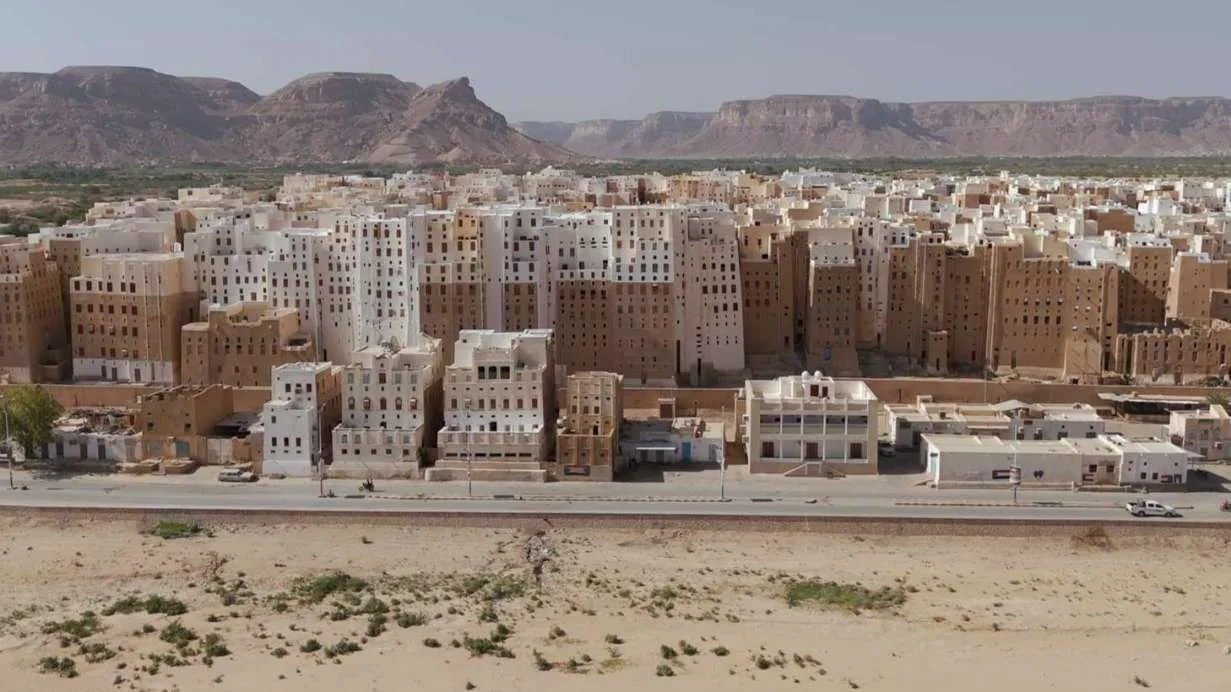
Shibam is the most internationally recognized destination in Hadhramaut and the strongest visual symbol of the region.
The Old Walled City of Shibam is listed as a UNESCO World Heritage Site. Its dense collection of mud-brick tower houses rises dramatically from the floor of Wadi Hadhramaut, creating one of the most distinctive historic skylines in the Arabian Peninsula.
The city is widely known as the Manhattan of the Desert because of its vertical architecture. However, what makes Shibam special is not only the height of its buildings. Its fortified layout, narrow streets, traditional houses and relationship with the surrounding agricultural landscape reveal how communities adapted architecture to the environment of the valley.
Why visit Shibam?
Shibam is the clearest place to experience Hadhramaut's vertical mud-brick architecture. It is immediately recognizable, visually powerful and easy for first-time visitors to understand.
Walking through the old city reveals a different perspective from the famous exterior skyline. Inside the walls, visitors can see narrow streets, traditional doorways, shaded passages and the lower levels of the tower houses.
How long should you spend in Shibam?
Allow at least several hours to explore the old city and see it from an exterior viewpoint. A longer visit provides time to enter a traditional tower house when access is available and experience the skyline under better afternoon light.
TourYemen advice for Shibam
We normally recommend seeing Shibam from both inside and outside the walls. The narrow streets explain how the city functions, while the exterior viewpoint reveals the full scale of its skyline.
Late afternoon is especially rewarding because softer light brings out the warm colors and textures of the mud-brick buildings.
Tarim
If Shibam is the visual icon of Hadhramaut, Tarim is one of the region's most important cultural and religious centers.
Tarim is known for its historic mosques, Islamic educational traditions, mud-brick palaces and long connection with Hadhrami communities across the Indian Ocean.
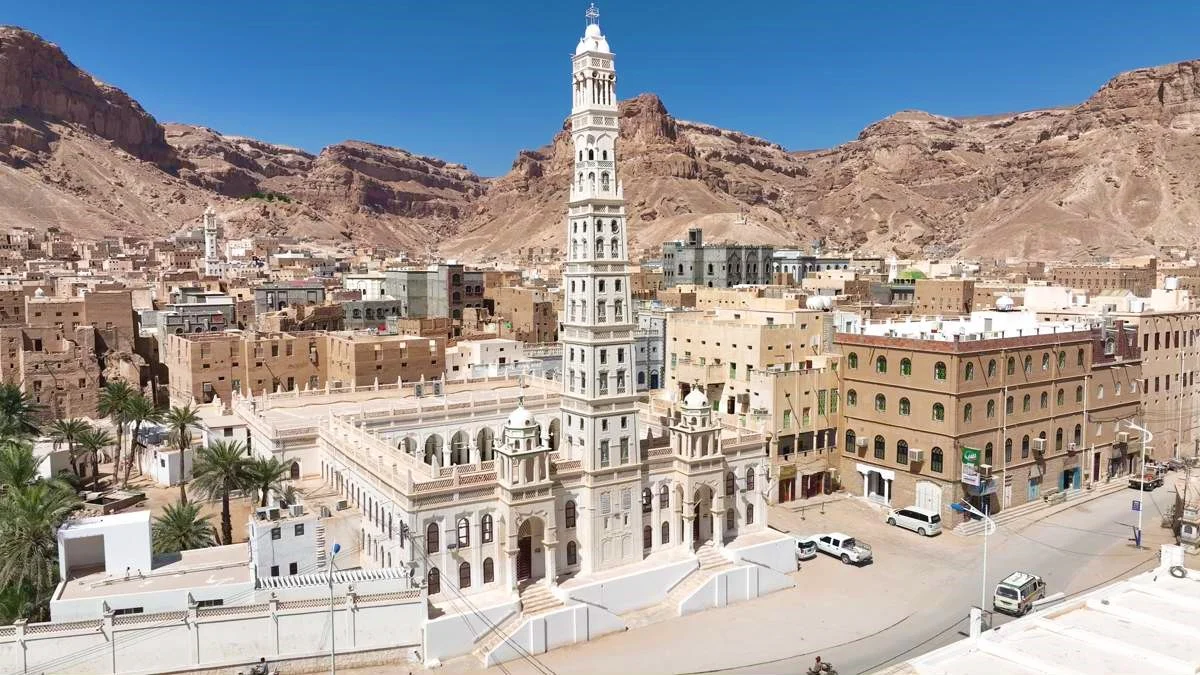
The city's most recognizable landmark is Al-Muhdhar Mosque, also written as Al-Mihdar Mosque. Its tall mud-brick minaret rises above the surrounding city and is one of the best-known architectural landmarks in Hadhramaut.
Tarim was added to Yemen's UNESCO Tentative List in June 2025. The submission highlights its large collection of mud-brick palaces, historic mosques, scholarly institutions and architectural influences connected with India, Indonesia and Singapore.
UNESCO Tentative List status is an important nomination step, but it is not the same as inscription on the World Heritage List.
Why visit Tarim?
Tarim adds cultural depth to a Mainland Yemen itinerary. It is especially rewarding for travelers interested in Islamic scholarship, religious architecture, Hadhrami migration and the relationship between local construction traditions and Southeast Asian influences.
The city feels broader and calmer than Shibam. Rather than being defined by one compact skyline, Tarim is experienced through its mosques, palace facades, streets, neighborhoods and scholarly heritage.
How long should you spend in Tarim?
A half day allows time for the main landmarks, but a longer visit is better for travelers who want to explore the city at a slower pace, photograph its architecture and understand its cultural background.
TourYemen advice for Tarim
Do not treat Tarim only as a stop for photographing the Al-Muhdhar minaret. Its value comes from the combination of mosques, palaces, scholarly history and urban atmosphere.
For many of our guests, Tarim becomes more meaningful after learning about the connections between Hadhramaut and communities in India and Southeast Asia.
Seiyun
Seiyun is often the practical starting point for exploring Hadhramaut Valley, but it is more than an arrival city.
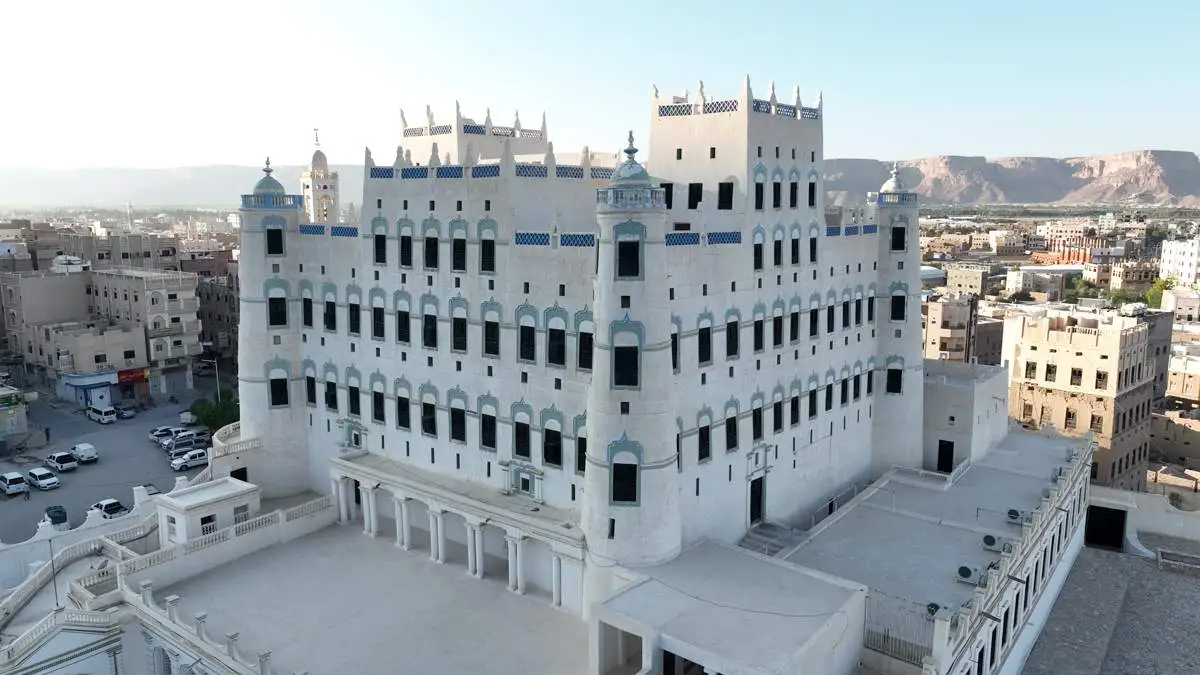
Its most important landmark is Say'un Palace, commonly known in English as Seiyun Palace. The large white mud-brick structure stands in the center of the city and was added to Yemen's UNESCO Tentative List in June 2025.
The palace occupies approximately 6,600 square meters, rises across seven stories and stands on a natural rocky mound. Its scale, white exterior and traditional wooden windows make it one of the most impressive palace buildings in Yemen.
Why visit Seiyun?
Seiyun combines practical route access with genuine heritage value. It is a natural base for reaching Tarim, Shibam and the wider destinations of Wadi Hadhramaut.
The palace provides a strong introduction to the history of the Kathiri Sultanate and adds another major example of mud-brick architecture to the journey.
How long should you spend in Seiyun?
A half day is normally enough for the palace, the traditional market and an introduction to the city. Seiyun can also be used as the starting point for nearby destinations and onward travel through the valley.
TourYemen advice for Seiyun
We recommend treating Seiyun as the beginning of the journey rather than only a transport point. The city helps visitors understand the scale of Wadi Hadhramaut and how its main destinations connect geographically.
Seiyun Palace also provides an architectural contrast with the tower houses of Shibam and the religious buildings of Tarim.
Wadi Doan
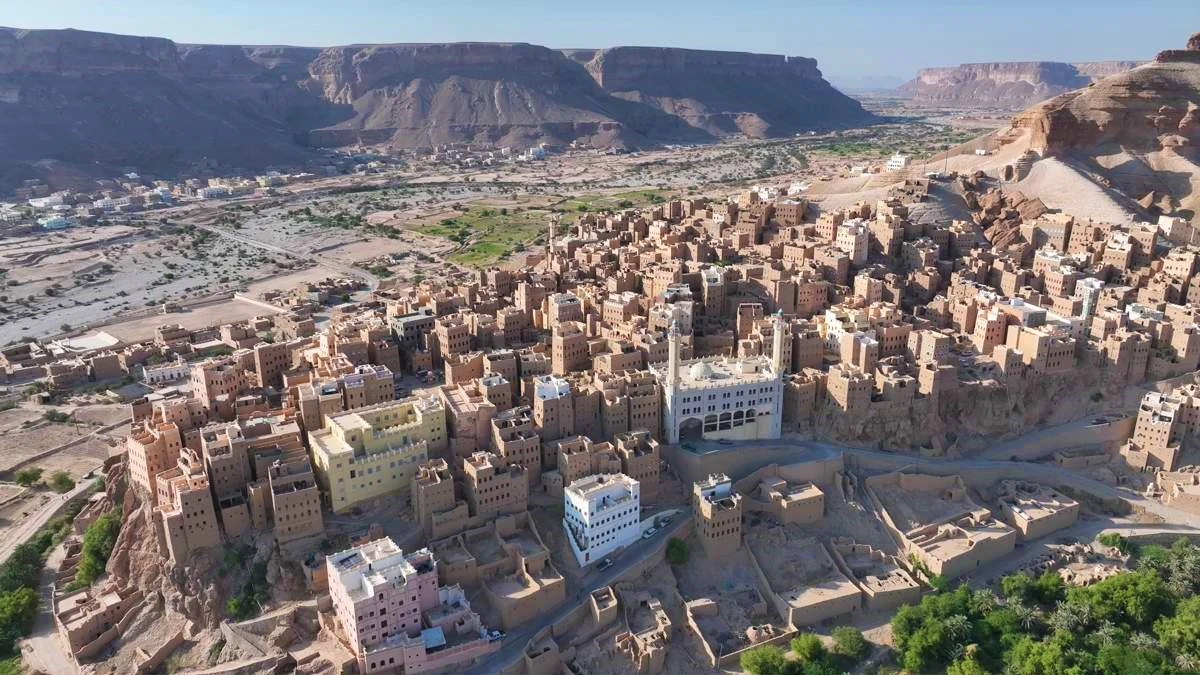
Wadi Doan, written as Wadi Daw'an in UNESCO documentation, offers the most dramatic combination of scenery, traditional villages and overland travel on the Hadhramaut route.
The valley is known for settlements built along mountain slopes, rocky promontories and narrow agricultural areas. Traditional buildings use local materials including mud, stone, wood, straw and palm fibers.
Haid Al-Jazil and Wadi Daw'an were added together to Yemen's UNESCO Tentative List in June 2025. The submission highlights the valley's continuing settlements, vernacular architecture, agricultural traditions, craftsmen and famous honey production.
Why visit Wadi Doan?
Wadi Doan adds the landscape dimension that distinguishes a complete Hadhramaut itinerary from a journey focused only on historic cities.
The drive through the valley is part of the experience. The scenery changes continuously as villages appear above the road, buildings rise from rocky outcrops and agricultural areas follow the valley floor.
Important places in Wadi Doan include Al-Hajarayn, Hayd Al Jazeel, Buqshan Palace, Al-Khuraybah and Al-Rubat.
Hayd Al Jazeel
Hayd Al Jazeel, written as Haid Al-Jazil in UNESCO documentation, is one of the most visually memorable villages in Wadi Doan.
Its mud-brick buildings stand on a dramatic rocky outcrop above the valley, creating one of Hadhramaut's most recognizable village landscapes.
Al-Hajarayn
Al-Hajarayn is one of the historic settlements associated with Wadi Doan. Its traditional buildings and position within the valley make it an important stop for travelers interested in village architecture and layered landscape views.
Buqshan Palace
Buqshan Palace represents another side of Hadhrami architectural history. Its scale, decorative details and connection with the region's merchant families add variety to the smaller mud-brick settlements of the valley.
How long should you spend in Wadi Doan?
Wadi Doan deserves at least one full day. Staying overnight allows travelers to experience more villages, enjoy the changing light and avoid reducing the valley to a rushed drive.
TourYemen advice for Wadi Doan
We recommend allowing time for viewpoints and unscheduled photography stops. The strongest views are often found between the main villages rather than only at individual named attractions.
Travelers interested in landscapes and photography should give Wadi Doan more time than those focused mainly on urban heritage.
Mukalla
Mukalla completes the route by introducing the coastal side of Hadhramaut.
Located on the Arabian Sea, the city has a very different atmosphere from Seiyun, Tarim, Shibam and the villages of Wadi Doan. Its white buildings, port identity, coastal views and historic urban character give the journey a wider sense of place.
The Historic City of Al-Mukalla was added to Yemen's UNESCO Tentative List in June 2025. The submission describes Mukalla's early development as a seaport and its later importance as the capital of the Qu'aiti Sultanate.
Why visit Mukalla?
Mukalla prevents a Mainland Yemen itinerary from feeling like an inland valley journey only.
The city adds maritime history, sea views, coastal architecture and a more varied urban environment. It is especially valuable at the end of the route because the transition from Wadi Doan to the Arabian Sea gives the journey a clear sense of progression.
Places to visit in Mukalla include Al-Ghwayzi Fortress, the Corniche, traditional markets, the historic urban area and the coastline.
How long should you spend in Mukalla?
At least a half day is needed for the main city landmarks, but one full day or an overnight stay provides a more relaxed experience.
TourYemen advice for Mukalla
We normally recommend ending the route in Mukalla. After several days in the valley, reaching the Arabian Sea creates a strong contrast and gives travelers another perspective on Hadhramaut.
A sunset coastal experience or boat trip can provide a memorable final evening when local conditions and arrangements allow.
Other places to include in a Mainland Yemen itinerary
Hawta
Hawta provides a quieter introduction to the settlements of Wadi Hadhramaut and is home to Hawta Palace Hotel, one of the character properties used on TourYemen routes.
Aynat and the Seven Domes
Aynat is known for its historic religious architecture and distinctive domed tombs. It works well as part of a route connecting Tarim with the eastern side of Wadi Hadhramaut.
Prophet Hud
The traditional site associated with Prophet Hud is an important religious destination in Hadhramaut. It can be included for travelers interested in the spiritual history and pilgrimage traditions of the region.
Al-Khuraybah and Al-Rubat
These Wadi Doan settlements add further examples of traditional village architecture and help travelers see more of the valley beyond its best-known viewpoints.
Al-Ghwayzi Fortress
Located near Mukalla, Al-Ghwayzi Fortress is one of the city's recognizable historic landmarks and a useful stop for understanding the defensive architecture associated with the coastal route.
What is the best order for a first Mainland Yemen trip?
A practical first-time route is:
- Seiyun
- Tarim
- Aynat
- Prophet Hud
- Shibam
- Wadi Doan
- Mukalla
This order follows the journey from the central and eastern parts of Wadi Hadhramaut toward Shibam, then through the dramatic landscapes of Wadi Doan and finally to the Arabian Sea coast.
For most travelers, the order provides a natural progression. Seiyun introduces the valley. Hawta provides a quieter first introduction to Wadi Hadhramaut before the journey continues to Tarim. Tarim adds religious and scholarly history. Aynat and Prophet Hud expand the cultural route. Shibam provides the most iconic heritage experience. Wadi Doan adds landscapes and village architecture. Mukalla completes the journey with the coast.
How many days do you need for Hadhramaut and Mukalla?
Six days is the recommended minimum for a well-balanced first journey through Hadhramaut Valley, Wadi Doan and Mukalla. A five-day itinerary can cover selected highlights, but the pace will be more compressed.
A shorter trip can focus on Seiyun, Tarim, Shibam and selected Wadi Doan stops.
A six-day itinerary provides a better balance and normally allows travelers to include Mukalla.
A longer private tour can add slower cultural visits, more photography time, additional villages and a more relaxed stay on the coast.
Who is this Mainland Yemen route best for?
- Travelers interested in architecture and UNESCO heritage
- Visitors interested in Islamic history and scholarly traditions
- Photographers looking for mud-brick cities, valley villages and coastal scenery
- Travelers who prefer cultural journeys over conventional resort tourism
- Solo travelers who want to join a professionally organized group
- Private travelers who want a flexible pace
- Visitors comparing the cultural heritage of Mainland Yemen with the natural landscapes of Socotra
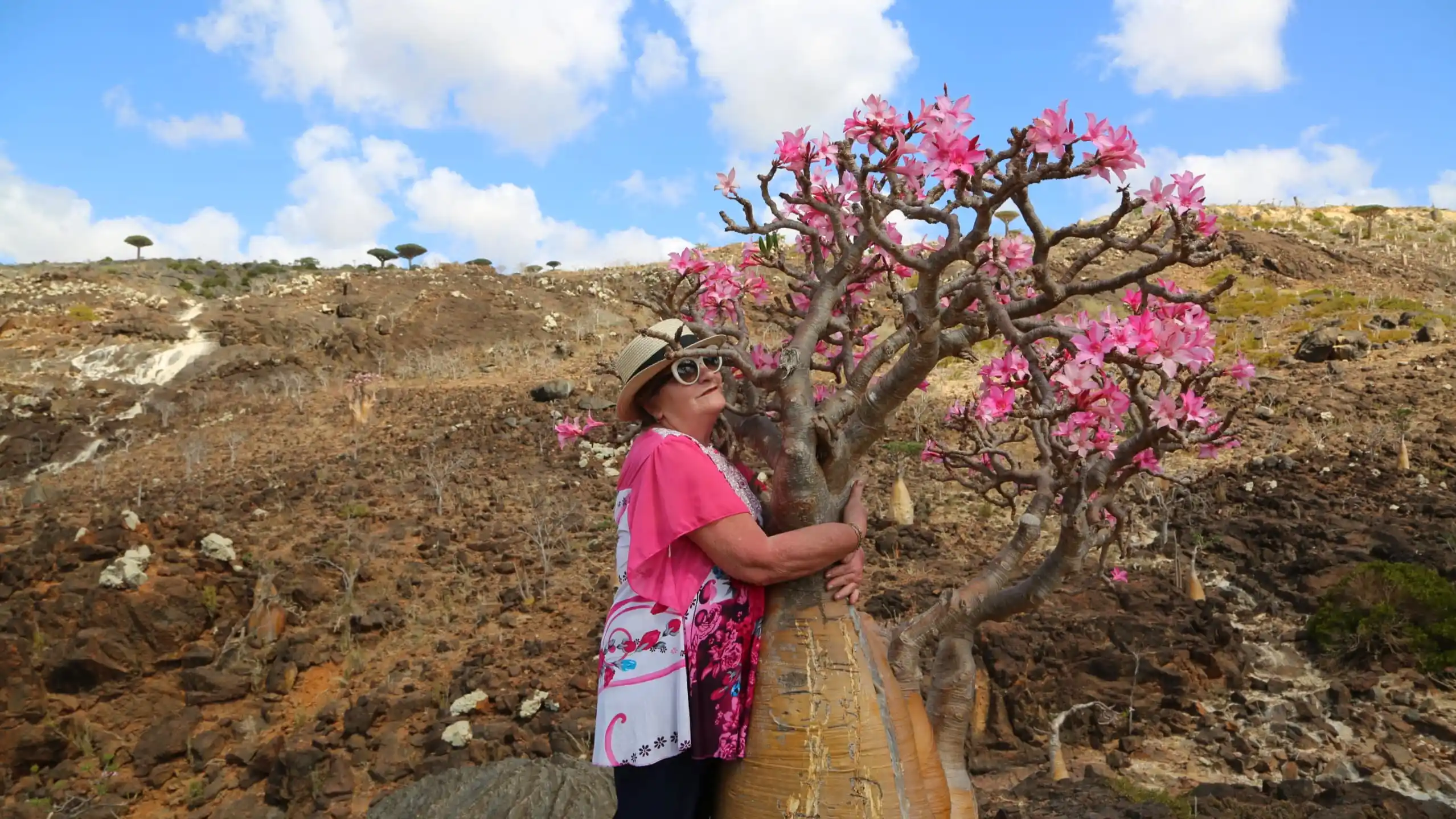
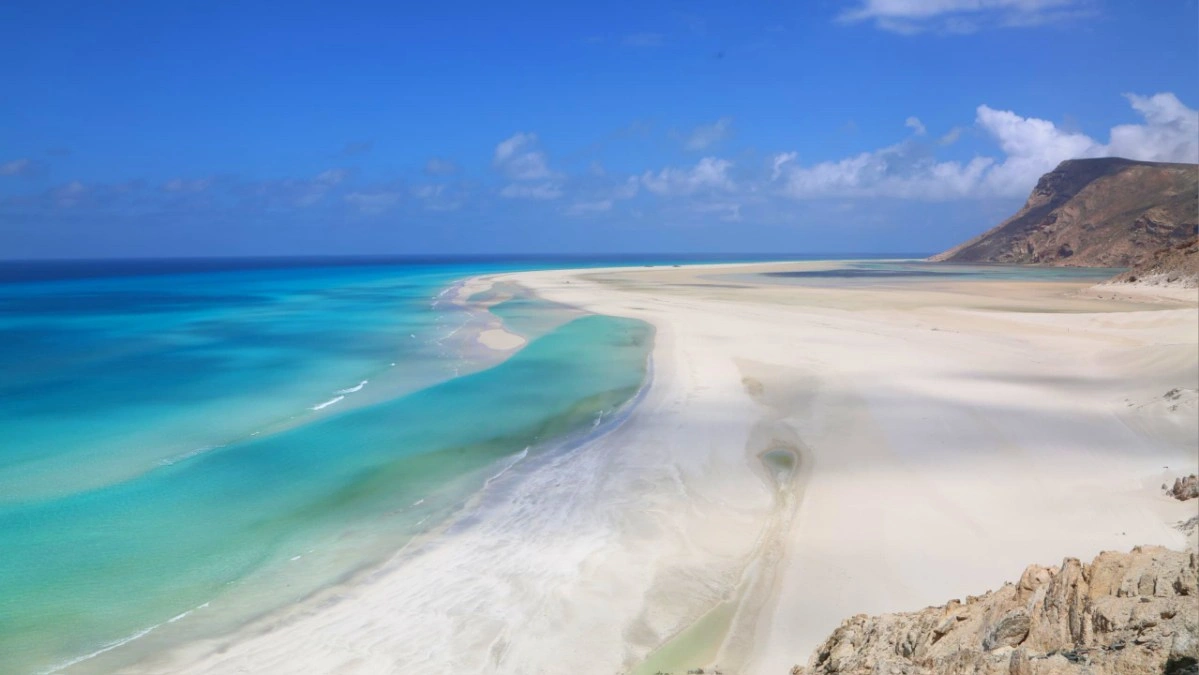
Hadhramaut and Socotra offer very different experiences. Hadhramaut is the stronger choice for historic cities, mosques, palaces, overland routes and mud-brick architecture. Socotra is primarily known for endemic nature, beaches, mountains and remote island landscapes.
How to plan a trip to Mainland Yemen
Travel to Mainland Yemen requires careful arrangements before arrival.
TourYemen currently assists international travelers with Yemen tourist visa processing, security clearances, local permits, route coordination, airport services, Yemenia Airways ticket arrangements and mandatory security escort arrangements required for the approved route.
Independent tourist travel is not permitted on the Mainland Yemen routes covered by this guide. The visa or approved entry status, itinerary, permits, security clearances, transportation and local arrangements must be coordinated before arrival.
Before booking, travelers should review TourYemen's Yemen Tourist Visa Guide, How Travel Works in Mainland Yemen, Flights to Seiyun Guide and What to Wear in Yemen Guide.
Best Places to Visit in Mainland Yemen FAQ
What is the most famous place in Hadhramaut?
Shibam is the most internationally famous place in Hadhramaut. Its UNESCO-listed old city is known for its fortified layout and tall mud-brick tower houses, which have given it the nickname Manhattan of the Desert.
Is Tarim worth visiting?
Yes. Tarim is one of the most rewarding places in Hadhramaut for travelers interested in historic mosques, Islamic scholarship, mud-brick palaces and Hadhrami connections with India and Southeast Asia.
Is Seiyun only an arrival city?
No. Seiyun is a heritage destination in its own right. Seiyun Palace is one of Yemen's most prominent mud-brick landmarks, while the city also provides a natural starting point for exploring Wadi Hadhramaut.
Why is Wadi Doan special?
Wadi Doan combines dramatic mountain scenery with traditional villages, mud-brick architecture, agricultural heritage and famous Hadhrami honey. The journey through the valley is one of the most scenic parts of a Mainland Yemen tour.
Should I include Mukalla in a Hadhramaut itinerary?
Yes, when time allows. Mukalla adds the coastal side of Hadhramaut, including Arabian Sea views, port history, white urban architecture and a different atmosphere from the inland valley cities.
How many days are enough for Hadhramaut and Mukalla?
Six days is the recommended minimum for most first-time visitors. This provides enough time for Seiyun, Hawta, Tarim, Shibam, Wadi Doan and Mukalla without turning the journey into a rushed checklist.
What is the best Mainland Yemen route for first-time visitors?
A strong first-time route begins in Seiyun, continues through Hawta, Tarim, Aynat, Prophet Hud and Shibam, then crosses Wadi Doan before ending in Mukalla.
Can international travelers visit Mainland Yemen independently?
No. Independent tourist travel is not permitted on the routes described in this guide. International visitors require advance visa or approved entry arrangements, security clearances, local permits, coordinated transportation and an experienced licensed local operator.
Planning a Hadhramaut and Mukalla tour?
Contact TourYemen to build a Mainland Yemen itinerary that matches your available time, interests and travel style.