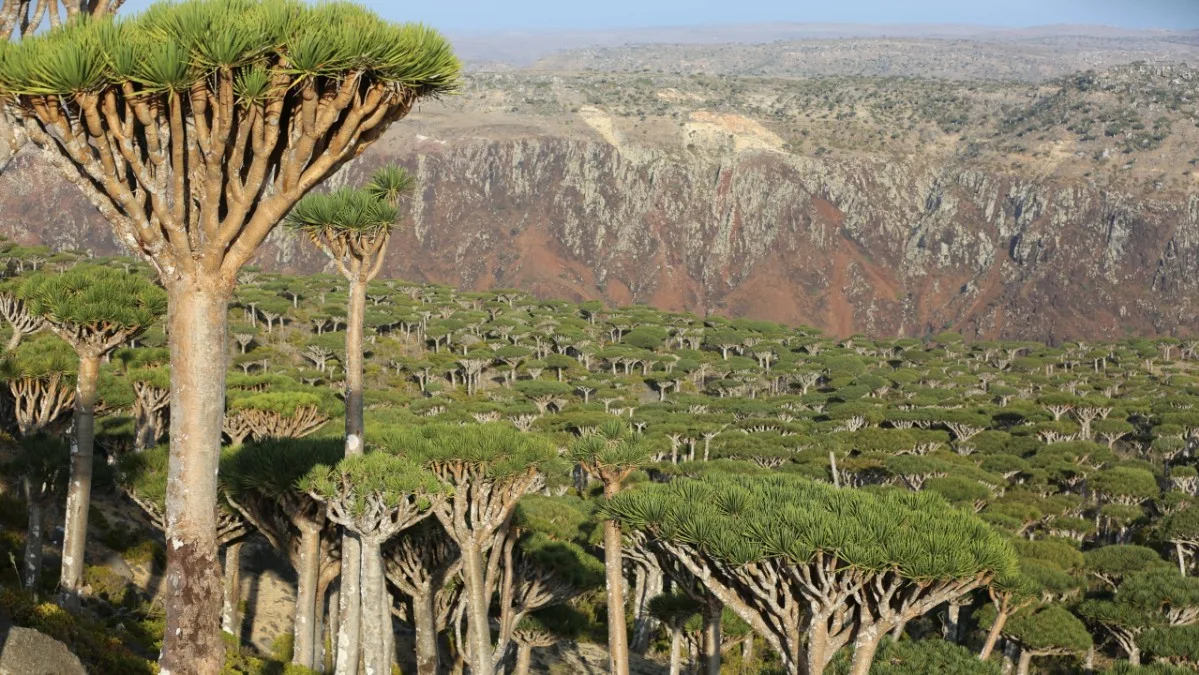
The Dragon Blood Tree is the natural symbol of Socotra and one of the main reasons travelers become interested in the island.
Its thick trunk, divided branches and umbrella-shaped crown create one of the most recognizable landscapes in the world. In Socotra's highlands, Dragon Blood Trees grow across rocky plateaus, canyon edges and protected forest areas, giving the island its famous otherworldly appearance.
The tree's scientific name is Dracaena cinnabari. It is native to Socotra and is one of the island's most important endemic plants.
This guide explains where to see Socotra Dragon Blood Trees, how Diksam Plateau, Firmihin Forest and Homhil differ, the best time for photography, and how to visit these fragile landscapes responsibly.
What Are Socotra Dragon Blood Trees?
Socotra Dragon Blood Trees are evergreen trees native to the Socotra Archipelago.
They are best known for their umbrella-shaped canopies and deep red resin. Mature trees have a pale trunk that divides into many branches, with narrow leaves forming a dense green crown at the top.
The tree's unusual shape helps it survive in dry highland environments. Its broad canopy provides shade, reduces exposure to harsh sunlight and can help collect moisture from mist and cloud in the mountains.
Young trees do not immediately have the famous umbrella shape. The full form develops slowly as the tree grows and branches over time.
Dracaena cinnabari should not be confused with every plant called a dragon tree. Other Dracaena species grow elsewhere, but the iconic Dragon Blood Tree associated with Socotra is a distinct species.
Why Is It Called the Dragon Blood Tree?
The name comes from the tree's red resin.
When the bark is cut or damaged, the resin can appear dark red, giving it a blood-like color. This created the name Dragon Blood Tree and helped build myths and traditional stories around the species.
The resin has been used historically for coloring, decoration, trade and traditional purposes.
Visitors should never cut the bark, break branches or try to collect resin from a living tree. Damaging the tree for a photo or souvenir is harmful and irresponsible.
If resin products are offered locally, travelers should ask their guide whether the source is responsible and whether the item can legally be carried through airports.
Why Are Dragon Blood Trees Important to Socotra?
The Dragon Blood Tree is more than a beautiful natural landmark. It represents Socotra's isolation, biodiversity and identity.
Socotra is a UNESCO World Heritage Site with exceptional endemism. According to UNESCO, 37% of Socotra's plant species, 90% of its reptile species and 95% of its land-snail species occur nowhere else on Earth.
The Dragon Blood Tree is one of the clearest symbols of this uniqueness. Its limited natural range, unusual shape and connection to the island's highland ecosystems make it central to Socotra's global reputation.
For travelers, the trees are often the first image that creates interest in visiting Socotra. But the experience should go beyond photography. Seeing the trees in their natural environment helps explain why the island needs careful, low-impact tourism.
Where to See Dragon Blood Trees in Socotra
The best places to see Dragon Blood Trees in Socotra are in the island's highlands and protected areas.
The three most important locations are Diksam Plateau, Firmihin Forest and Homhil Protected Area.
Diksam is best for wide views, rocky plateaus and canyon scenery. Firmihin is best for walking among the densest Dragon Blood Tree landscape. Homhil is best for combining Dragon Blood Trees with bottle trees, frankincense, hiking and coastal views.
A strong Socotra itinerary should include Diksam and Firmihin. Homhil is an excellent addition when time, route and walking ability allow.
Diksam Plateau
Diksam Plateau is one of the most famous places to see Dragon Blood Trees in Socotra.
The plateau lies in the central highlands and combines rocky terrain, deep canyons and wide viewpoints. Dragon Blood Trees appear across slopes, open ground and valley edges, creating one of the island's most iconic landscapes.
Diksam is especially strong for photography because the trees can be seen as part of a wider mountain environment. Individual trees stand against cliffs, valleys and open sky, making the area ideal for landscape images.
Many viewpoints can be reached by four-wheel-drive vehicle followed by short walks. This makes Diksam suitable for travelers who want impressive Dragon Blood Tree scenery without a difficult hike.
Diksam is normally visited together with Firmihin Forest during the central-highlands section of an 8-day Socotra itinerary.
Firmihin Forest
Firmihin Forest offers the most immersive Dragon Blood Tree experience in Socotra.
While Diksam is known for wide viewpoints, Firmihin is known for density. Mature trees spread across the rocky landscape, with overlapping crowns creating a true Dragon Blood Tree forest.
This is the best place to walk among the trees, observe their trunks and branches at close range, and see the wider highland ecosystem around them.
The terrain is natural and uneven, so secure walking shoes are important. The walk is not technical, but visitors should be comfortable moving across rocky ground.
Firmihin should not be treated as a quick photo stop. Spending enough time here makes the visit much more rewarding and helps travelers understand the conservation challenges facing Socotra's endemic plants.
Homhil Protected Area
Homhil Protected Area gives a different view of Socotra's highland environment.
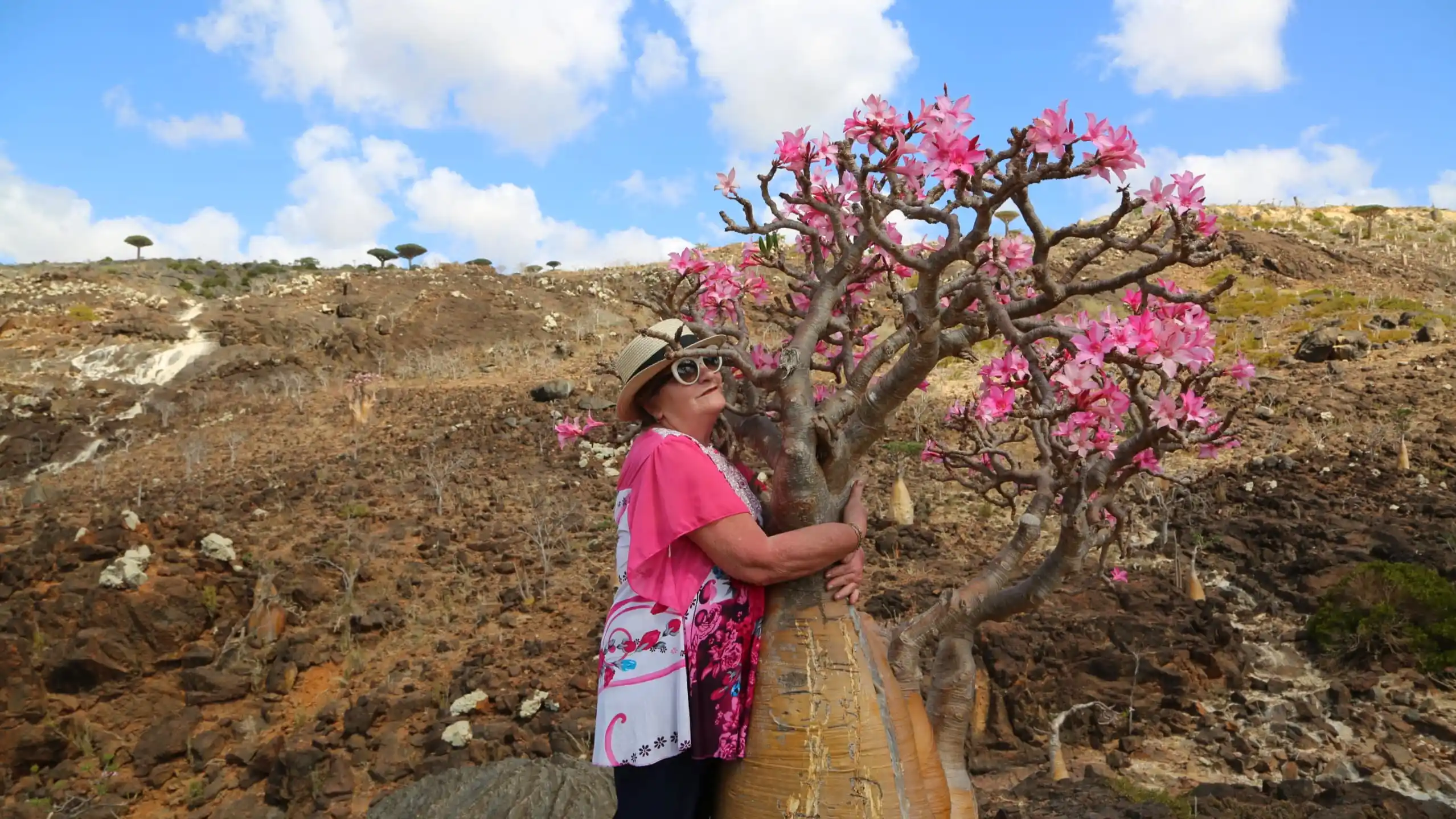
The area combines Dragon Blood Trees with bottle trees, frankincense species, walking trails and views toward the northern coastline. A trail leads through the protected landscape toward a natural freshwater pool overlooking the lower plains and sea.
The pool is often described as a natural infinity pool, although its water level and clarity depend on rainfall and season.
Homhil is not only about Dragon Blood Trees. It is valuable because it combines several Socotra experiences in one place: endemic plants, rocky highlands, freshwater, hiking and coastal views.
The walk can be hot and exposed, so visitors should bring water, sun protection and suitable footwear.
Diksam, Firmihin or Homhil: Which Is Best?
The best choice depends on what you want to experience.
Diksam Plateau is best for wide views, open scenery and canyon landscapes. Firmihin Forest is best for walking among the densest Dragon Blood Tree landscape. Homhil Protected Area is best for combining Dragon Blood Trees with hiking, bottle trees, freshwater and coastal views.
If time is limited, Diksam and Firmihin should usually be the priority. Together, they provide the strongest introduction to Socotra's Dragon Blood Tree landscapes.
Homhil is best added as part of a wider Socotra itinerary that also includes Dihamri, the eastern route or the northern coastline.
When Is the Best Time to See Socotra Dragon Blood Trees?
Dragon Blood Trees are evergreen, so they can be seen throughout Socotra's main travel season.
The best time depends on the wider trip. Most travelers do not visit Socotra only for the trees. They also want beaches, hiking, camping, snorkeling, diving and photography.
February and March are especially strong months for combining Dragon Blood Tree photography with comfortable outdoor travel and other island activities. Other months in the operating season can also be rewarding, depending on weather, cloud, rainfall and sea conditions.
The trees remain visible, but the landscape around them changes. After rainfall, vegetation can look greener. During drier periods, the rocky highlands appear more exposed. Cloud and mist can create dramatic conditions in Firmihin and Diksam.
Travelers should choose dates based on the full Socotra experience, not only the trees.
Best Time of Day for Photography
Early morning and late afternoon usually provide the best light for photographing Socotra Dragon Blood Trees.
Soft light creates stronger shadows, clearer branch detail and better contrast between the trees and the surrounding landscape.
Diksam works well for wide landscape photography. Firmihin is stronger for forest atmosphere and overlapping crowns. Homhil is useful for combining trees with highland vegetation and coastal views.
Good photography subjects include individual umbrella-shaped trees, forest views in Firmihin, Dragon Blood Trees against canyon walls, walking routes through the highlands and close details of branches and crowns.
Drone use should only be considered where permitted and should never disturb communities, wildlife, protected areas or other travelers.
How Difficult Is It to Visit the Dragon Blood Trees?
Seeing Dragon Blood Trees does not require advanced trekking.
Diksam can be explored through scenic driving, viewpoints and short walks. Firmihin usually involves moderate walking on rocky and uneven ground. Homhil normally requires a longer walk, especially if visiting the natural pool and main viewpoints.
Most travelers with normal fitness can visit the main Dragon Blood Tree areas. However, Socotra is an outdoor destination with natural paths, basic facilities and changing weather conditions.
Travelers with knee problems, balance concerns, limited mobility or heat sensitivity should explain this before travel so the local team can choose suitable walking distances and viewpoints.
Are Dragon Blood Trees Found in Mainland Yemen?
The famous Dragon Blood Tree forests are not a normal attraction of Mainland Yemen.
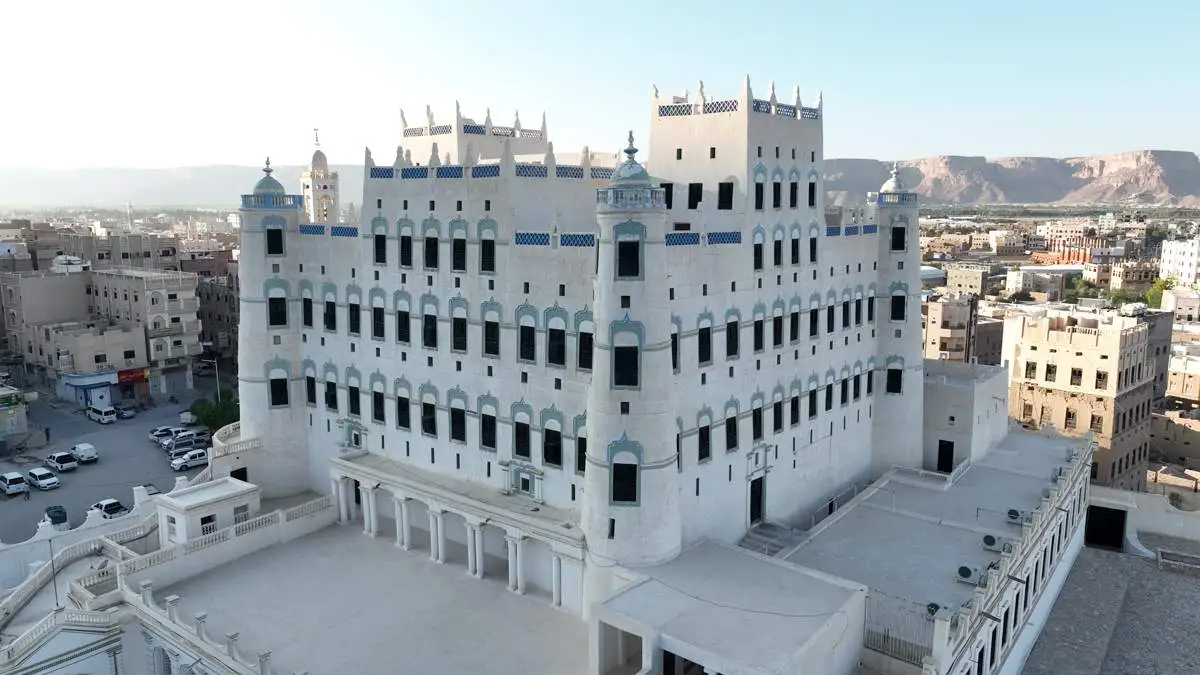
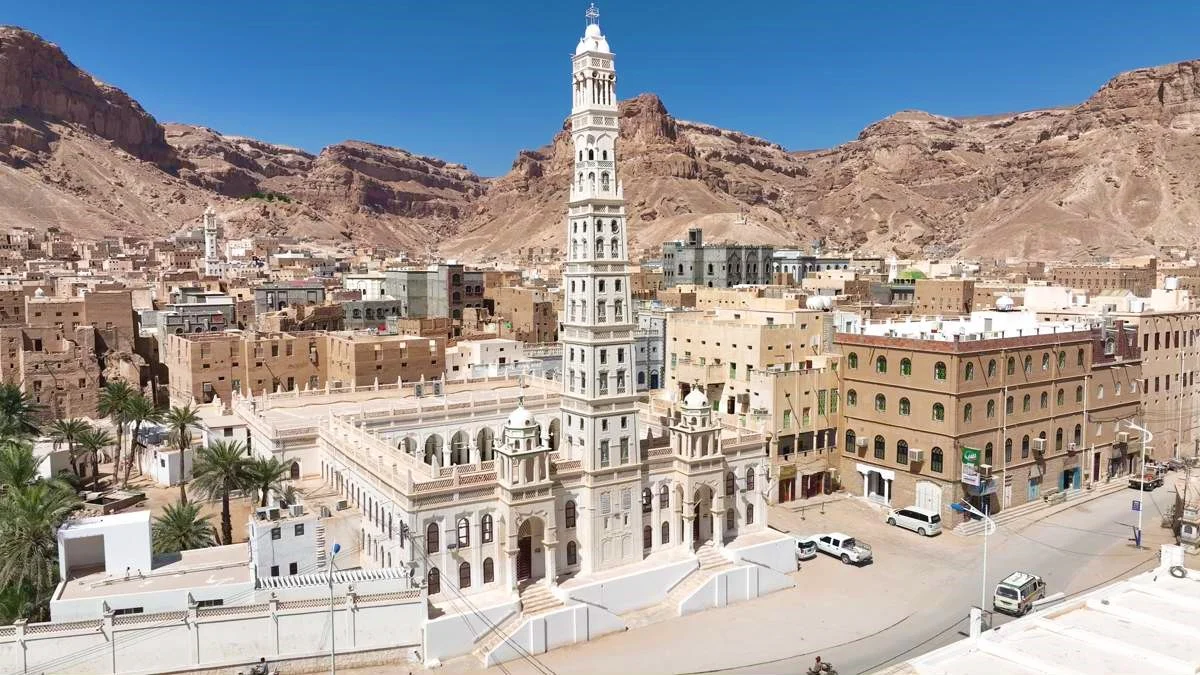
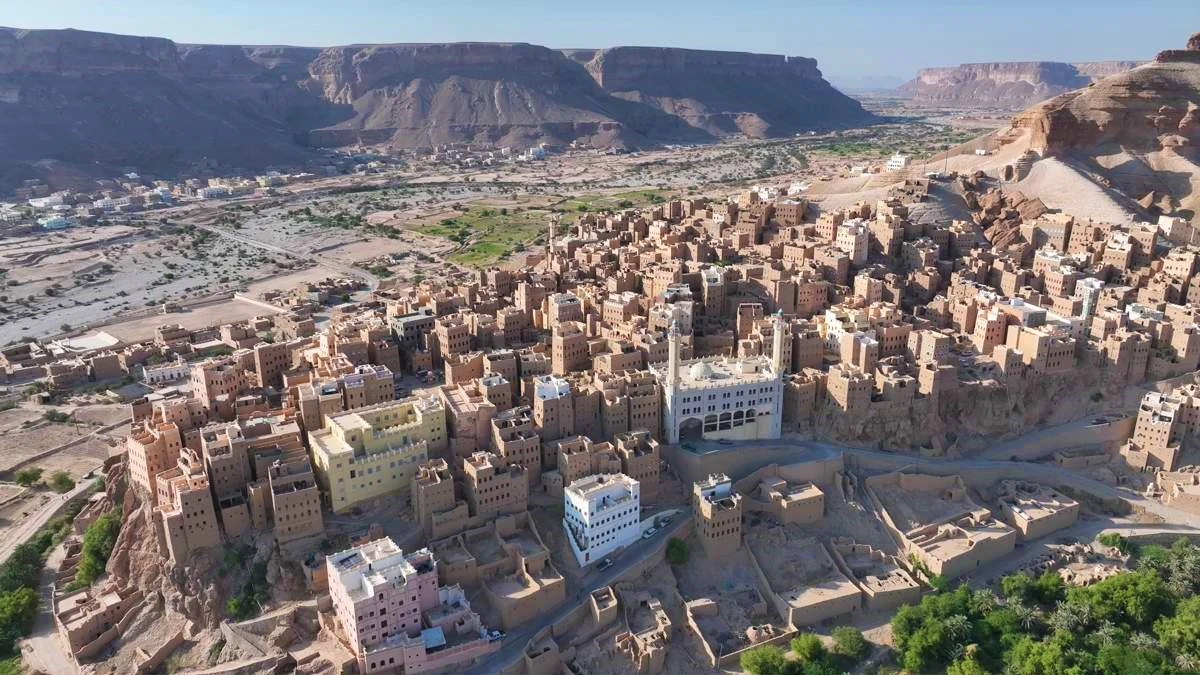
Travelers visiting Hadhramaut, Shibam, Tarim, Wadi Doan or Mukalla should not expect to see the Socotra Dragon Blood Tree landscapes.
Socotra is geographically and ecologically different from Mainland Yemen. Its long isolation helped create the endemic plants and animals that make the island famous.
To see Dracaena cinnabari growing naturally in its highland landscape, travelers need to include Socotra in their journey.
How Dragon Blood Trees Fit into an 8-Day Socotra Itinerary
Dragon Blood Trees are normally included in the central-highlands section of an 8-day Socotra itinerary.
Diksam Plateau and Firmihin Forest are often visited on the same day. This gives travelers both open plateau views and a denser forest experience without unnecessary backtracking.
Homhil is usually included on a separate day because it sits within a different protected landscape and involves its own walking route.
A strong itinerary may include Diksam Plateau for open Dragon Blood Tree views, Firmihin Forest for the most immersive tree landscape and Homhil for hiking, endemic plants and coastal views.
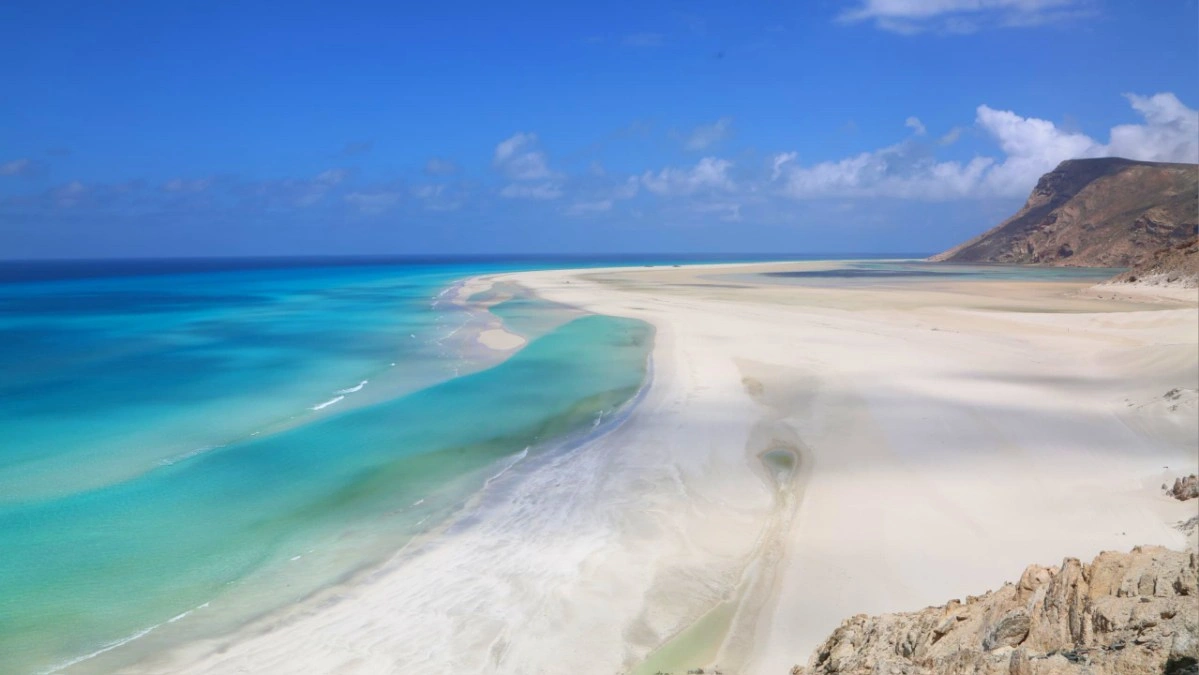
These locations combine well with Detwah Lagoon, Shoab Beach, Arher dunes, Hoq Cave, Dihamri Marine Protected Area and the southern coast.
Conservation Challenges
The Socotra Dragon Blood Tree is listed as vulnerable.
One of the main concerns is poor natural regeneration. In many areas, mature trees dominate the landscape while young trees struggle to survive.
Grazing animals can damage or eat seedlings before they become established. Increasing aridity, severe weather, cyclones and habitat disturbance also place pressure on the species.
Because Dragon Blood Trees grow slowly, losing mature trees is serious. A forest of old trees cannot remain healthy forever if younger generations do not replace them.
Conservation depends on protecting young trees, managing grazing pressure, supporting local communities and keeping tourism low-impact.
How Travelers Can Protect Dragon Blood Trees
Visitors can help protect Socotra's Dragon Blood Trees by following simple rules:
- Do not cut bark or try to see the red resin
- Do not break branches, leaves or seedlings
- Do not carve names into trunks
- Do not climb the trees or stand on exposed roots
- Do not remove resin, seeds, stones or plants
- Do not drive away from approved tracks
- Do not leave plastic or food waste in the forest
- Follow the guide's instructions in protected areas
- Respect fenced restoration or research areas
Photography should never require damaging a tree or leaving waste behind.
The best souvenir from a Dragon Blood Tree forest is a good photograph and a stronger understanding of why the landscape needs protection.
Practical Tips for Visiting Dragon Blood Tree Areas
Bring secure walking shoes with good grip, carry enough drinking water and use sun protection, even when the highlands feel cooler.
A light jacket can be useful for wind, cloud or cooler evenings. Camera batteries should be charged before leaving Hadibo or camp, and a protective camera bag is useful because of dust and rocky ground.
Allow enough time to walk, not only stop beside the road. Share mobility concerns with the operator before arrival and follow local instructions in protected areas.
Travelers should also confirm full Socotra travel arrangements in advance, including flights, visa support, accommodation style, camping logistics and the daily route plan.
Planning a Socotra Dragon Blood Tree Tour with TourYemen
Seeing Socotra Dragon Blood Trees is one of the defining experiences of travel to the island.
Diksam Plateau gives wide views across the highlands. Firmihin Forest offers the most immersive Dragon Blood Tree landscape. Homhil combines endemic plants, walking and elevated coastal views.
Together, these places show why Socotra is much more than a beach destination.
TourYemen arranges private and group Socotra tours that include the island's main Dragon Blood Tree areas as part of a complete itinerary covering highlands, beaches, caves, dunes, marine protected areas and remote camps.
The final route is organized around confirmed flights, local conditions, accommodation style, walking ability and traveler interests.
Contact TourYemen to plan a Socotra itinerary that includes Diksam Plateau, Firmihin Forest, Homhil and the island's most important natural landscapes.