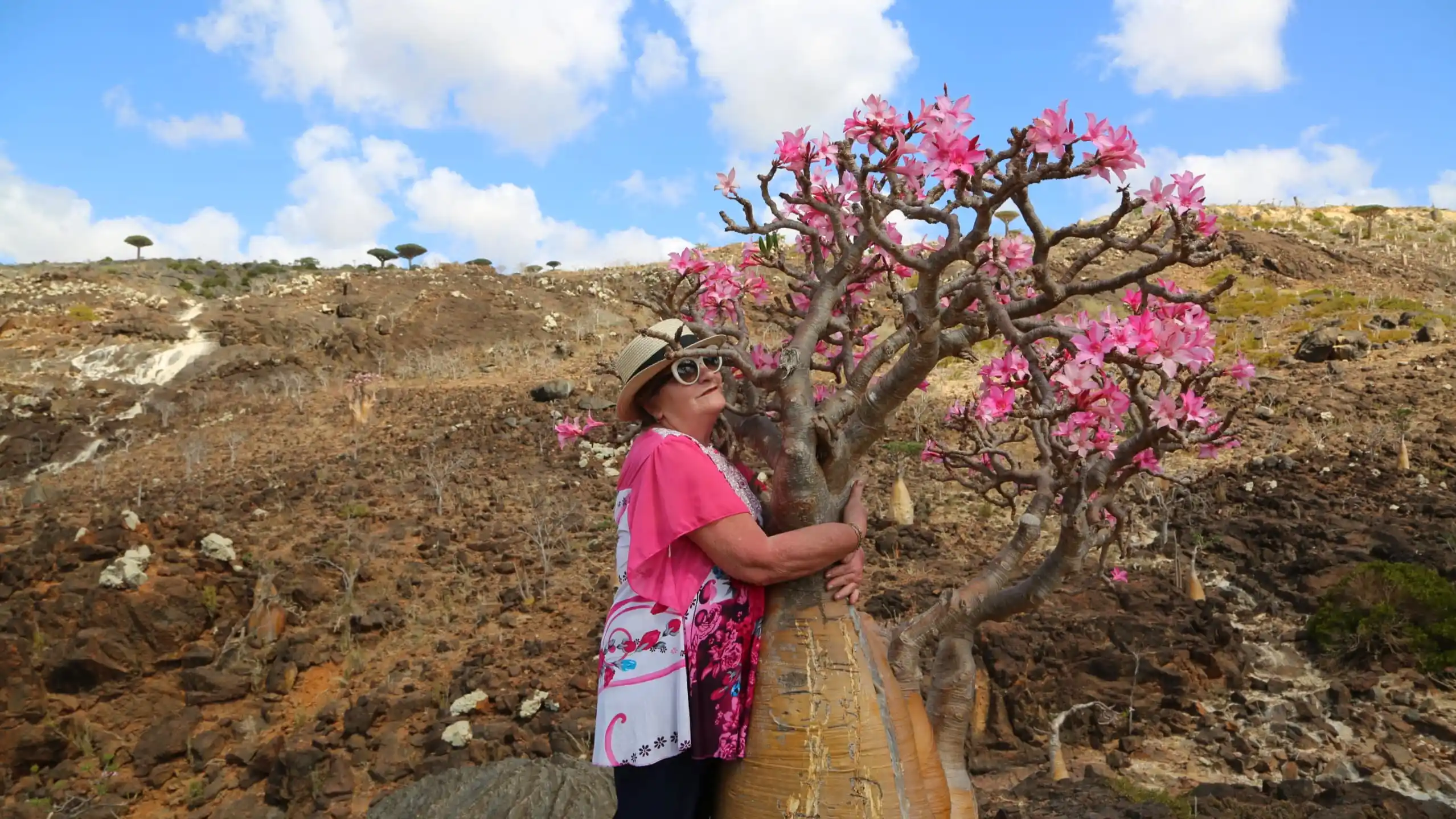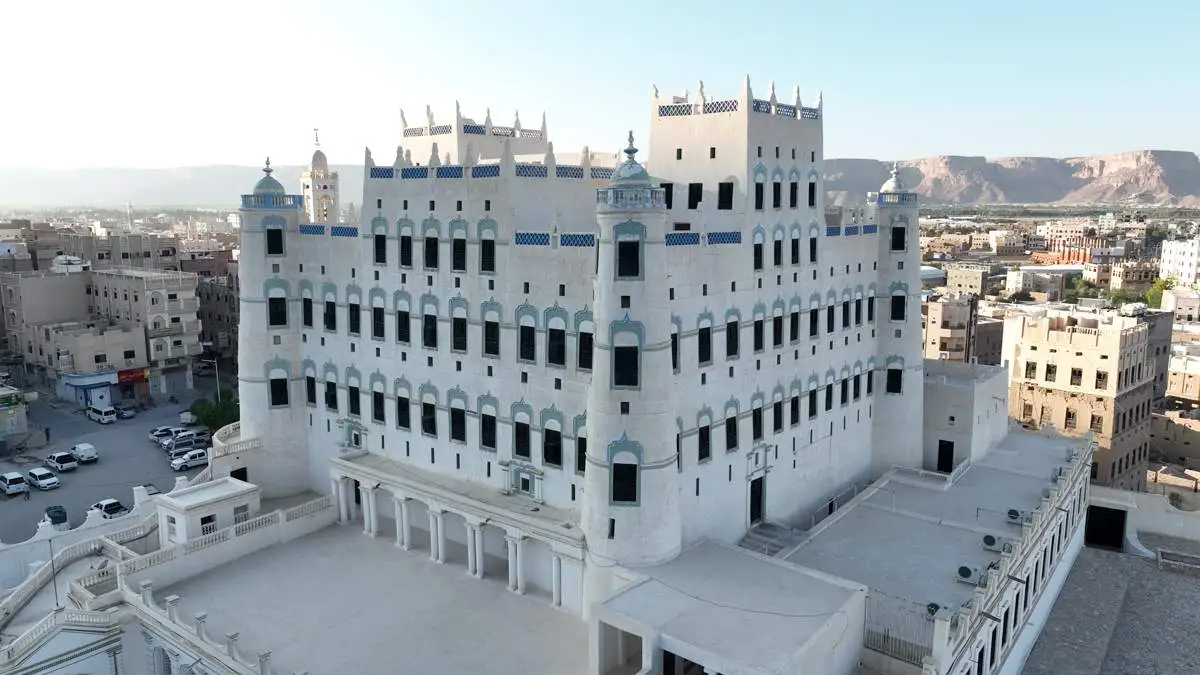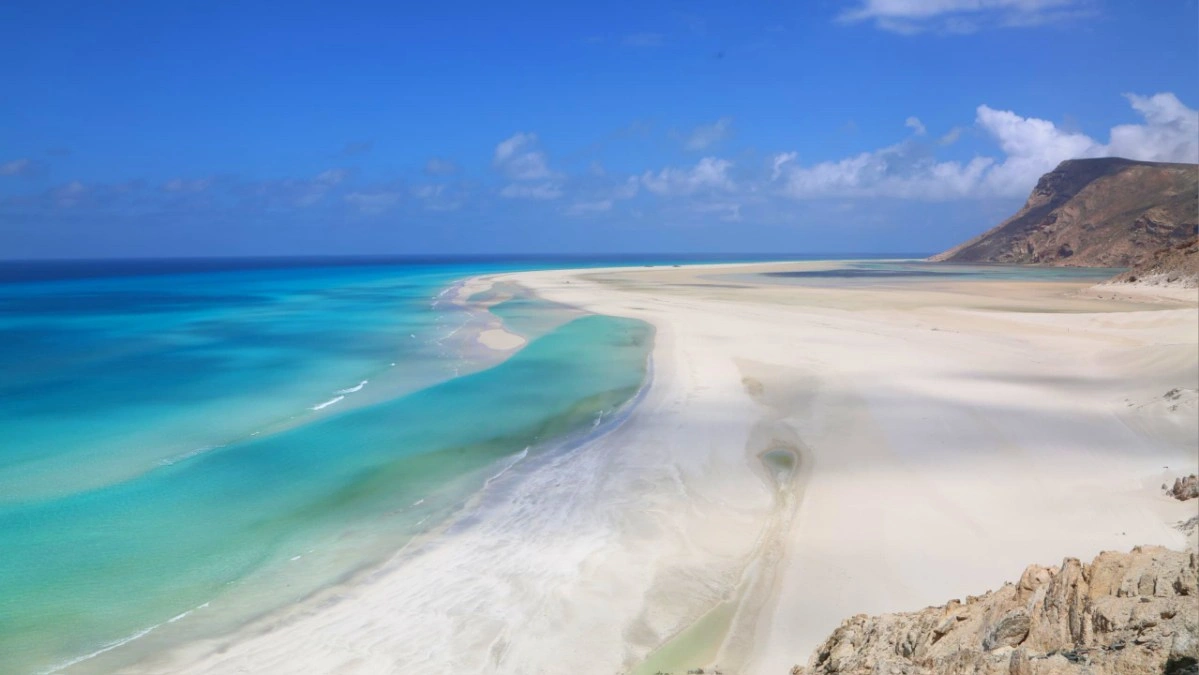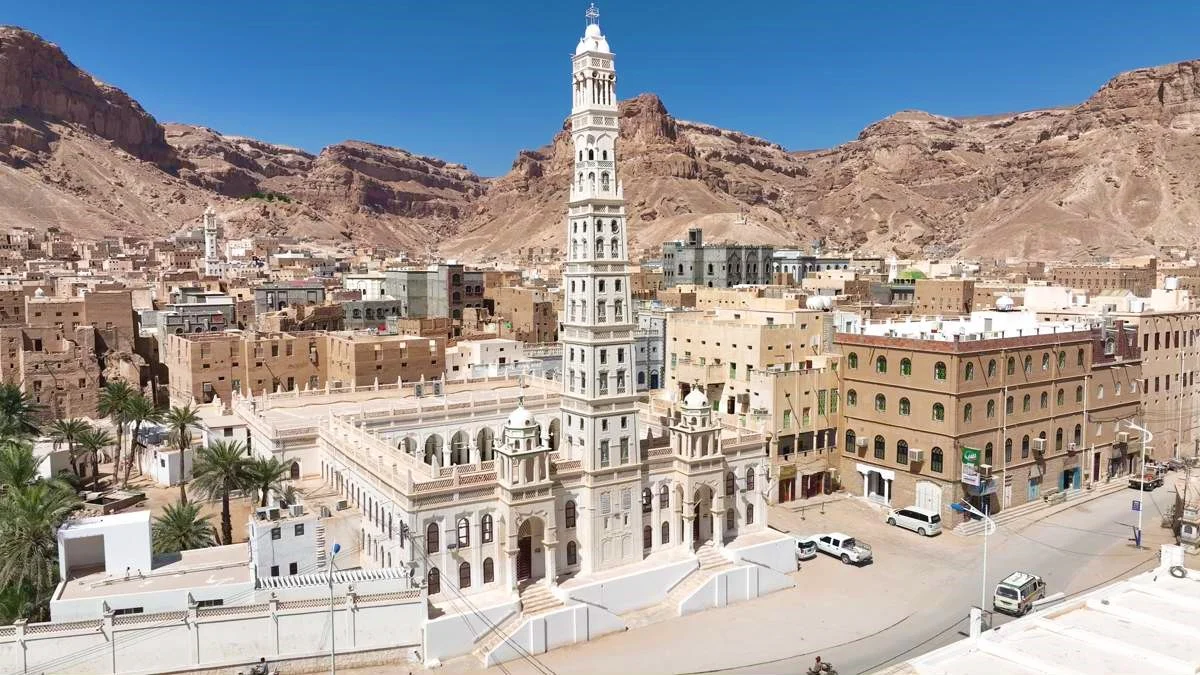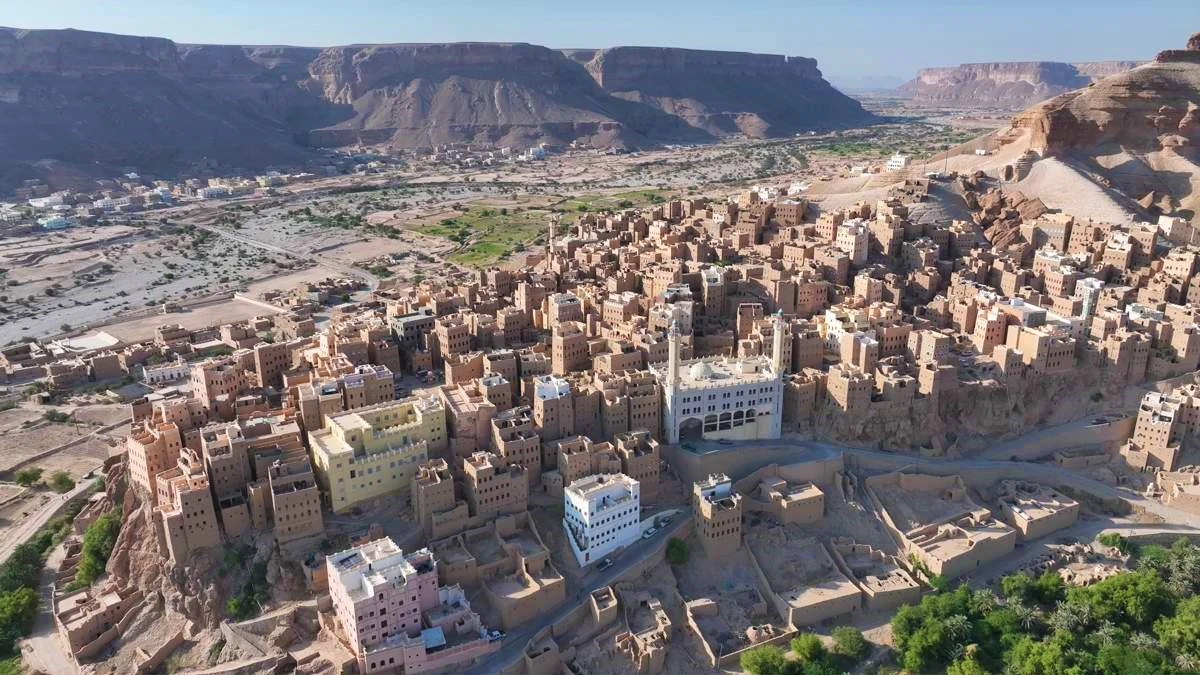
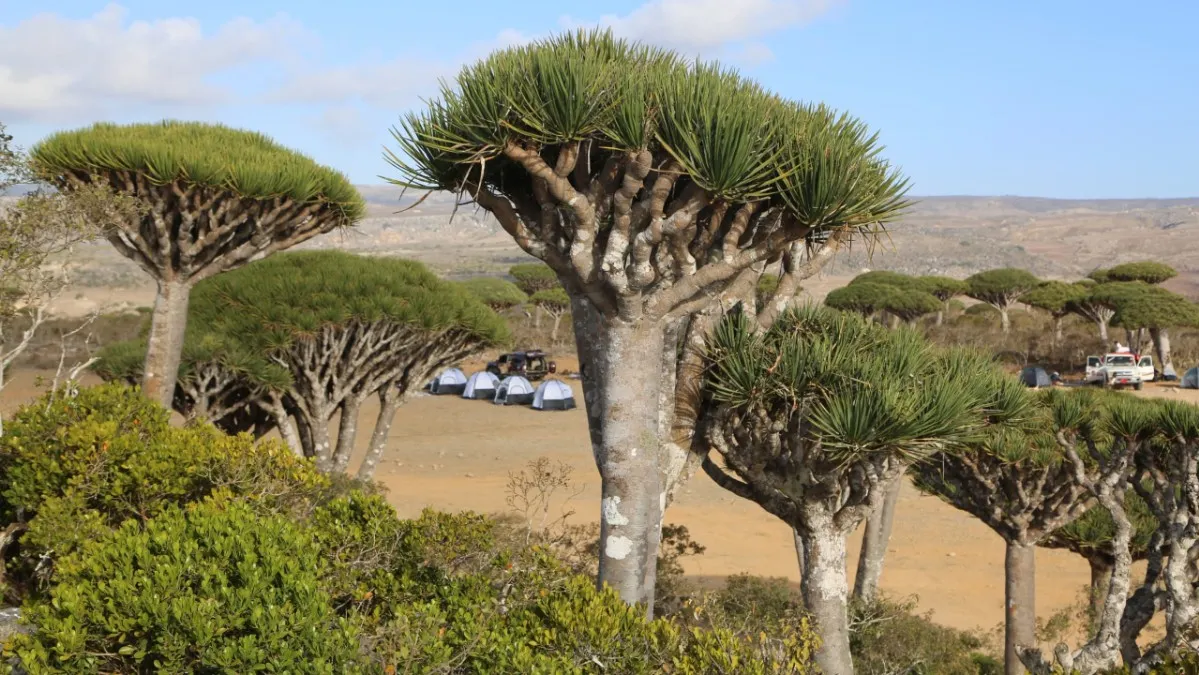
Socotra brings together some of the most unusual natural landscapes in the Arabian region. Dragon Blood Tree forests cover rocky highlands, white dunes descend toward the sea, freshwater pools appear between canyon walls, and remote beaches stretch along an undeveloped coastline.
The best places to visit in Socotra are spread across the western coast, central highlands, southern plains and eastern side of the island. Reaching them requires a planned route using four-wheel-drive transport, local guides and, for some locations, boats or hiking trails.
This guide covers 15 of the most important Socotra attractions, including Detwah Lagoon, Shoab Beach, Diksam Plateau, Firmihin Forest, Arher, Hoq Cave, Dihamri and Homhil.
Together, these places reveal the island’s extraordinary biodiversity, endemic plants, marine environments and changing natural landscapes.
Why Is Socotra So Unique?
The Socotra Archipelago is a UNESCO World Heritage Site recognized for its exceptional biodiversity and high number of endemic species.
UNESCO records 825 plant species in Socotra, including 307 endemic species. This means 37% of its plant species occur nowhere else on Earth. The level of endemism is even higher among its wildlife: 90% of Socotra’s reptile species and 95% of its land-snail species are found nowhere else in the world.
This long natural isolation has created ecosystems ranging from Dragon Blood Tree forests and bottle-tree landscapes to coastal wetlands, coral-rich marine areas, limestone caves, freshwater valleys and giant sand dunes.
The strongest Socotra routes combine several of these environments rather than concentrating only on beaches or Dragon Blood Trees.
Socotra Attractions at a Glance
- Detwah Lagoon
- Qalansiyah and Qalansiyah Beach
- Shoab Beach
- Diksam Plateau
- Firmihin Forest
- Homhil Protected Area
- Arher Beach and sand dunes
- Ras Ersel
- Hoq Cave
- Dihamri Marine Protected Area
- Wadi Kalisan
- Aomak Beach
- Hayf and Zahek sand dunes
- Dagub Cave
- Ayhaft Canyon
1. Detwah Lagoon — Socotra’s Ramsar Wetland
Detwah Lagoon is one of the most recognizable places to visit in Socotra. Located beside Qalansiyah on the northwestern coast, it is known for its sweeping white sandbank, shallow turquoise water and mountain backdrop.
Detwah is officially designated as a Ramsar Site, recognizing it as a Wetland of International Importance. The protected site covers approximately 580 hectares and includes the lagoon, tidal inlet and part of the surrounding coastal landscape.
The elevated approach provides a panoramic view before the road descends toward the shoreline. At beach level, visitors can walk across the sand and observe how the lagoon changes with the tide and sunlight.
Detwah is normally included with Qalansiyah and the boat trip to Shoab Beach.
2. Qalansiyah and Qalansiyah Beach
Qalansiyah is one of Socotra’s main coastal communities and the gateway to Detwah Lagoon and Shoab Beach.
The town sits between the mountains and a wide stretch of pale sand. Fishing boats line parts of the coast, while surrounding viewpoints reveal the contrast between the settlement, beach and clear sea.
Qalansiyah adds a human dimension to the western Socotra route. It provides an opportunity to see daily life in an important island community before continuing toward the protected landscapes nearby.
Boats for Shoab Beach normally depart from the Qalansiyah area when sea conditions are suitable. Visitors should always ask permission before photographing local residents.
3. Shoab Beach
Shoab Beach is a remote section of Socotra’s western coastline reached by boat from Qalansiyah.
The journey passes cliffs, rocky headlands and isolated coves that are difficult to access by road. Dolphins are sometimes seen during the crossing, although wildlife sightings cannot be guaranteed.
Shoab is known for clear water, pale sand and an undeveloped natural setting. Visits normally include time for swimming, walking, relaxing and lunch before returning by boat.
The excursion depends on suitable wind and sea conditions, so its timing may be changed when necessary.
For travelers searching for quiet beaches and boat trips among the top things to do in Socotra, Shoab is one of the island’s strongest coastal experiences.
4. Diksam Plateau
Diksam Plateau is one of the most important Socotra attractions and a leading location for seeing Dragon Blood Trees in their natural highland environment.
The plateau combines rocky terrain, deep canyons and elevated viewpoints. Dragon Blood Trees grow across the landscape with their distinctive umbrella-shaped crowns, appearing individually and in groups along slopes and valley edges.
Diksam’s main strength is its scale. The panoramic views show the trees as part of a much larger mountain ecosystem rather than as isolated plants.
Many viewpoints can be reached by four-wheel-drive vehicle followed by short walks. The plateau is normally combined with nearby Firmihin Forest during the central-highlands section of a Socotra itinerary.
5. Firmihin Forest
Firmihin Forest offers the most immersive Dragon Blood Tree experience in Socotra.
While Diksam is known for wide plateau and canyon views, Firmihin contains a much denser concentration of mature trees. Walking through the forest reveals overlapping crowns, pale trunks and rocky ground covered with endemic vegetation.
Clear conditions emphasize the trees’ shapes, while cloud or mist creates a darker and more atmospheric landscape.
Firmihin is particularly rewarding for photography, botanical observation and nature walks. The terrain is rocky and uneven, so secure walking shoes are recommended.
Visitors should avoid damaging roots, seedlings or branches. Slow natural regeneration makes responsible visitor behaviour especially important in the forest.
6. Homhil Protected Area
Homhil Protected Area combines Dragon Blood Trees, bottle trees, frankincense species and elevated views toward Socotra’s northern coastline.
A walking route crosses the highland landscape toward a natural freshwater pool overlooking the lower plains and sea. The pool is often described as a natural infinity pool because of its position above the surrounding landscape.
Its water level and clarity vary according to rainfall, so the pool does not look exactly the same during every visit.
Homhil is valuable not only for the pool but also for its endemic plants, walking route and panoramic views. The trail can be hot and exposed, making suitable footwear, drinking water and sun protection important.
7. Arher Beach and Sand Dunes
Arher is one of the most dramatic places to visit on Socotra Island.
Huge white dunes descend from the cliffs toward the beach, while freshwater streams emerge close to the sea. The combination of mountains, sand, flowing water and open coastline creates one of Socotra’s most distinctive landscapes.
Visitors can walk beside the beach, explore the freshwater stream or climb part of the dunes. The upper slopes are steep and physically demanding, but the lower dunes can be enjoyed without completing the full climb.
Arher is especially impressive around sunrise and late afternoon. It is also one of the island’s most memorable camping locations and is normally included with Ras Ersel and Hoq Cave.
8. Ras Ersel
Ras Ersel is a remote headland at the eastern end of Socotra.
The landscape is open and rocky, with wide views across the surrounding sea and coastline. It is commonly described as the place where the Arabian Sea and Indian Ocean meet, although geographical descriptions of the surrounding waters vary.
Ras Ersel is not defined by a beach, lagoon or forest. Its appeal comes from the feeling of reaching the distant eastern edge of the island, surrounded by wind, rock and open water.
The headland is normally included in the eastern Socotra route with Arher Beach and other nearby coastal landscapes.
9. Hoq Cave
Hoq Cave is one of the most significant natural caves in Socotra.
Reaching the entrance requires an uphill hike across rocky and exposed terrain. Inside, the cave opens into large chambers containing stalactites, stalagmites and other limestone formations.
The contrast between the bright mountain landscape outside and the cool darkness of the cave is a major part of the experience. A reliable light source is essential, and the distance explored depends on the group’s ability and available time.
The hike requires normal fitness and suitable walking shoes but does not involve technical climbing.
Hoq adds an important geological environment to an itinerary otherwise dominated by coastlines, mountains and endemic plants.
10. Dihamri Marine Protected Area — Snorkeling and Scuba Diving
Dihamri Marine Protected Area is one of the leading locations for snorkeling and scuba diving in Socotra.
Its rocky shoreline leads into clear water with coral formations, colorful reef fish and other marine life. Snorkelers can reach parts of the reef directly from the shore, while scuba diving provides access to deeper underwater landscapes and a wider range of marine habitats.
A diving center operates at the Dihamri campsite. It is managed by a professional diving instructor, and scuba equipment is available for hire for organized dives at Dihamri and other approved diving locations around Socotra.
Divers should provide details of their certification and previous diving experience before travel. The planned dive location depends on diver experience, the confirmed program and current sea conditions.
All equipment should be checked before entering the water, and dives must be organized with the local instructor. Visibility, currents, wind and wave conditions can change throughout the season.
Travelers who do not dive can still snorkel from the rocky shoreline or enjoy the coastal scenery from the campsite.
Dihamri highlights the marine side of Socotra’s biodiversity and is an important stop for travelers interested in coral reefs, snorkeling and scuba diving.
11. Wadi Kalisan
Wadi Kalisan, sometimes written as Kallisan, is known for pale rock formations, narrow canyon scenery and natural freshwater pools.
The pools sit between smooth stone surfaces, creating one of Socotra’s most attractive inland swimming locations when water conditions are suitable.
Reaching the main sections requires walking across uneven and sometimes slippery ground. Secure footwear is important, and visitors should not jump into pools without checking their depth and access conditions.
The combination of freshwater, pale rock and canyon scenery creates a strong contrast with Socotra’s beaches and dry plateaus.
Wadi Kalisan is normally included as part of a wider day exploring central or southern Socotra.
12. Aomak Beach
Aomak is a broad and undeveloped beach on Socotra’s southern coast.
Its long shoreline, open plains and mountain backdrop create a different atmosphere from Detwah’s protected lagoon or Shoab’s isolated coves.
Visitors normally stop for walking, photography, relaxation and swimming when conditions are suitable. The southern coastline can experience stronger wind and waves, so water activities depend on local conditions.
Aomak works particularly well as part of a complete southern Socotra route. It is commonly combined with Dagub Cave and the nearby Hayf and Zahek dune fields.
Its size and lack of major development give the beach a strong sense of space and isolation.
13. Hayf and Zahek Sand Dunes
The Hayf and Zahek dune fields are among the most impressive landscapes in southern Socotra.
Large areas of pale sand extend across the coastal plain beneath dark mountain ridges. Wind continually reshapes the surface, producing changing lines, ripples and shadows.
These dunes differ from Arher. At Arher, steep dunes descend directly from cliffs toward the sea. Hayf and Zahek spread more widely across an open southern landscape.
The contrast between white sand and the surrounding mountains makes the area particularly strong for landscape photography.
Short walks provide good views without requiring a difficult climb. The dunes are normally included with Aomak Beach and Dagub Cave.
14. Dagub Cave
Dagub Cave is a large and easily accessible cave on Socotra’s southern side.
Its broad entrance opens toward the surrounding plains, providing shade and wide views from inside the cave. Unlike Hoq Cave, Dagub does not require a long uphill hike or extended underground exploration.
The cave has traditionally provided shelter for local people and livestock, connecting the geological landscape with everyday island life.
Dagub is best treated as a shorter stop within a wider southern-coast day rather than as a full-day activity.
Its accessibility makes it suitable for travelers who want to experience one of Socotra’s caves without completing the more demanding Hoq hike.
15. Ayhaft Canyon
Ayhaft Canyon is a greener mountain valley in Socotra’s interior.
Freshwater pools, palms and thicker vegetation create a noticeably different environment from the island’s exposed plateaus and coastal plains. Granite mountains rise around the valley, providing shelter and helping support its plant life.
The canyon shows how freshwater shapes Socotra’s inland ecosystems. Walking routes vary depending on access, water levels and the amount of time available.
Ayhaft may be included near the beginning or end of a Socotra itinerary because of its location relative to Hadibo and the airport.
For travelers interested in valleys, freshwater and vegetation, it adds another dimension to the island’s natural attractions.
Best Places in Socotra for Different Interests
Best for Dragon Blood Trees
Diksam Plateau provides the strongest panoramic views, while Firmihin Forest offers the densest and most immersive Dragon Blood Tree landscape. Homhil combines endemic plants with a rewarding highland walk.
Best for Beaches and Lagoons
Detwah Lagoon, Shoab Beach, Qalansiyah Beach, Arher and Aomak represent different sides of Socotra’s coastline, from shallow protected wetlands to exposed southern beaches.
Best for Hiking
Hoq Cave, Homhil and Wadi Kalisan provide the most rewarding walking experiences among the attractions covered in this guide.
Best for Snorkeling and Scuba Diving
Dihamri Marine Protected Area is one of Socotra’s leading snorkeling and scuba-diving locations.
Visitors can snorkel from the rocky shoreline or arrange guided scuba dives through the diving center at Dihamri campsite. A professional diving instructor and scuba equipment are available, subject to advance confirmation and current sea conditions.
Best for Photography
Detwah Lagoon, Diksam Plateau, Firmihin Forest, Arher and the Hayf and Zahek dunes offer some of Socotra’s strongest landscape-photography opportunities.
How Many Days Do You Need to See Socotra?
Eight days and seven nights provide enough time to explore Socotra’s main regions without turning the journey into a continuous series of short stops.
A complete route can include the western coast, central highlands, southern beaches, eastern landscapes, caves and at least one marine protected area.
The exact order depends on flight timing, sea conditions, weather and accommodation style. Camping close to remote attractions reduces daily driving, while hotel-based arrangements may require returning toward Hadibo more frequently.
A longer stay creates additional time for hiking, photography, villages, remote beaches, diving and less-visited valleys.
Our 8-Day Socotra Itinerary explains how many of these locations can be organized into a practical island route.
Can You Visit All 15 Socotra Attractions in One Tour?
Most of the places in this guide can be included within a carefully planned itinerary, but the goal should not be to reach every location as quickly as possible.
The Shoab boat trip depends on suitable sea conditions. Water levels affect the experience at Homhil, Wadi Kalisan and Ayhaft. Hoq Cave and longer walks also require sufficient time.
Scuba diving should be arranged in advance because the program must allow time for equipment preparation, instructor availability and the planned number of dives.
Some activities may be rearranged according to local conditions. This flexibility helps avoid rushed visits and makes better use of suitable weather and sea conditions.
A balanced route normally combines Detwah and Shoab in the west, Diksam and Firmihin in the central highlands, Aomak and the southern dunes, Arher and Hoq in the east, and Dihamri or Homhil before departure.
Responsible Travel at Socotra’s Natural Attractions
Socotra’s ecosystems are environmentally sensitive.
Visitors should not remove plants, shells, stones, resin or other natural materials. Dragon Blood Trees, seedlings and cave formations must not be damaged.
Waste should be carried away from beaches, caves, valleys and camps. Snorkelers and divers should avoid standing on coral or touching marine organisms.
Wild animals should not be chased, handled or fed for photographs. Permission should also be requested before photographing local residents.
Traveling with local guides, drivers, boat operators, diving instructors and suppliers helps tourism contribute directly to Socotri communities.
Planning a Tour of the Best Places to Visit in Socotra
The best places to visit in Socotra are distributed across the entire island. Reaching them requires coordinated transport, local guides, accommodation and practical route planning.
TourYemen arranges private and group Socotra tours covering the island’s main coastal, highland, desert and marine attractions.
Travelers can choose camping, hotel accommodation or a combination of both. Snorkeling and scuba diving can also be added to the itinerary, with diving arranged in advance according to certification, equipment availability and sea conditions.
The final route is organized around confirmed flights, visa arrangement, local conditions, preferred activities and walking ability.
Contact TourYemen to plan a Socotra itinerary that includes the island’s best attractions without rushing between locations.